
AI Stole the Boring Parts of VFX. Here's What Humans Do Now.
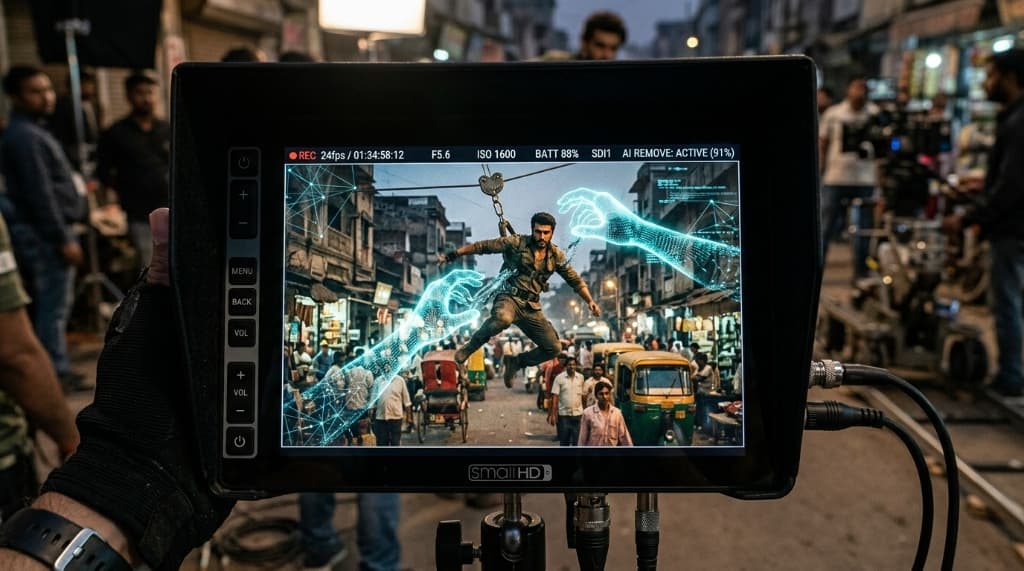
A few years ago, if you wanted a cinematic visual effect in your film — even a simple one — you needed three things: a big team, a bigger budget, and a whole lot of patience.
AI looked at that equation. And quietly broke it.
VFX Used to Be a Rich Person's Game
Let's be honest. Visual effects were gated behind money. A clean sky replacement? ₹50,000. A crowd simulation for a climax scene? Don't even ask. Wire removal, background extension, a basic digital set — each one was a line item that made indie filmmakers cry.
And the effort? Forget it. Weeks of back-and-forth, revision cycles, render times, and a growing sense of dread every time the client changed their mind.
That was just the reality of making something look great on screen.
Then AI Walked In and Flipped the Bill
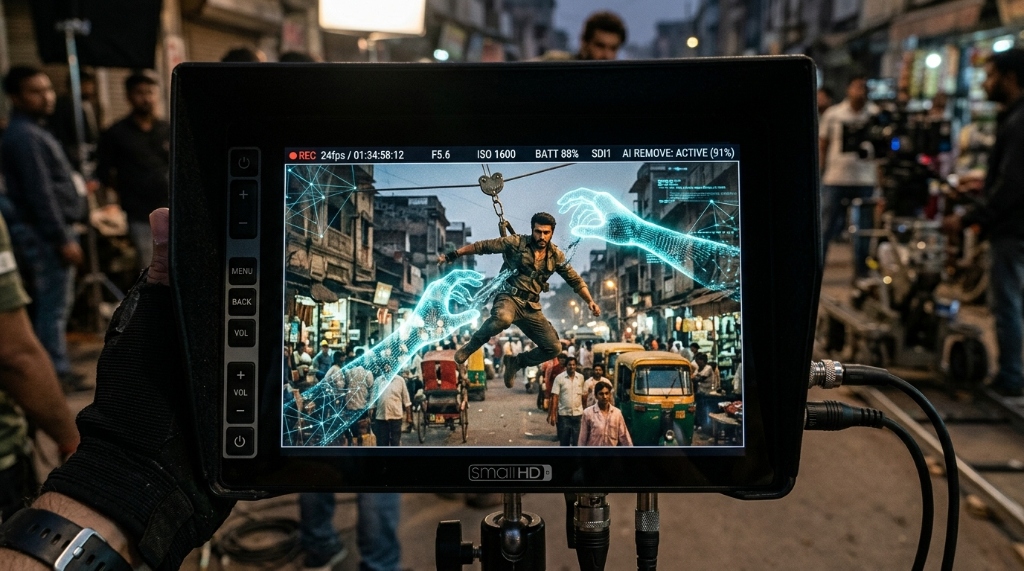
Today, the same sky replacement happens in minutes. The crowd simulation runs on a subscription tool. The digital set gets roughed out using AI-generated concept frames before a single rupee goes to a VFX house.
What used to cost ₹5 lakh now costs ₹5,000 and an afternoon.
That's not an exaggeration. That's Tuesday for studios who've adapted.
AI absorbed all the expensive, time-consuming, repetitive work — the stuff that ballooned budgets without adding any real creative value. And in doing so, it handed that budget back to the filmmaker.
So Where Does the Money and Effort Go Now?
Here's the fun part. The budget didn't disappear — it just moved.
1. More shots, same money.
Instead of spending 80% of your VFX budget on one hero shot, you can now spread that across 10 moments that make your film feel bigger, richer, and more cinematic.
2. Faster decisions, fewer revisions.
AI lets you visualise ideas before committing to them. You're not paying for a direction that doesn't work — you know it doesn't work before production begins. That saves enormous time and money.
3. Smaller teams, bigger output.
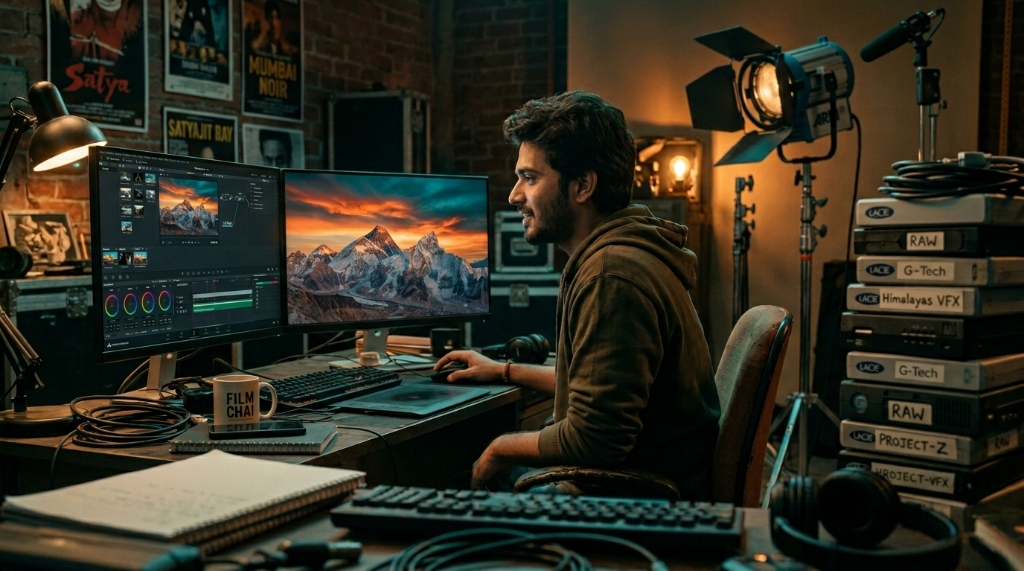
A lean 3-4 person creative team with the right AI tools can produce what used to require a 20-person VFX studio. For indie films, branded content, and OTT productions — this is a complete game changer.
What Still Needs a Human (And Always Will)
AI is fast. But it doesn't know your story.
It doesn't know that your protagonist's final scene needs to feel lonely even though it's visually grand. It doesn't know your client is nervous and needs to see three options before committing. It doesn't know that the colour in that frame should feel like nostalgia, not sadness.
Those calls — the ones that make a film land emotionally — still sit entirely with the humans in the room. A director, a producer, a creative agency. People who understand why a scene exists, not just what it looks like.

That's where the real effort lives now. And honestly, it's where it always should have been.
The Bottom Line for Filmmakers and Brands
If you've been holding back on ambitious visuals because of budget — that excuse is gone.
If you've been spending too much time and money on basic effects that eat into your creative energy — that's fixable right now.
AI didn't kill great filmmaking. It just stopped charging you a fortune for the boring bits.
The vision is still yours. The storytelling is still human. The price just finally makes sense.
Odd Frame Media helps brands and filmmakers build cinematic content without the Hollywood price tag. That's always been the goal — AI just made it easier to deliver.